
Making Visible the Invisible
A reminder that when a community shows up, even invisible needs can be met with dignity and care.
By Katlyn Giberson
More Than a Meal
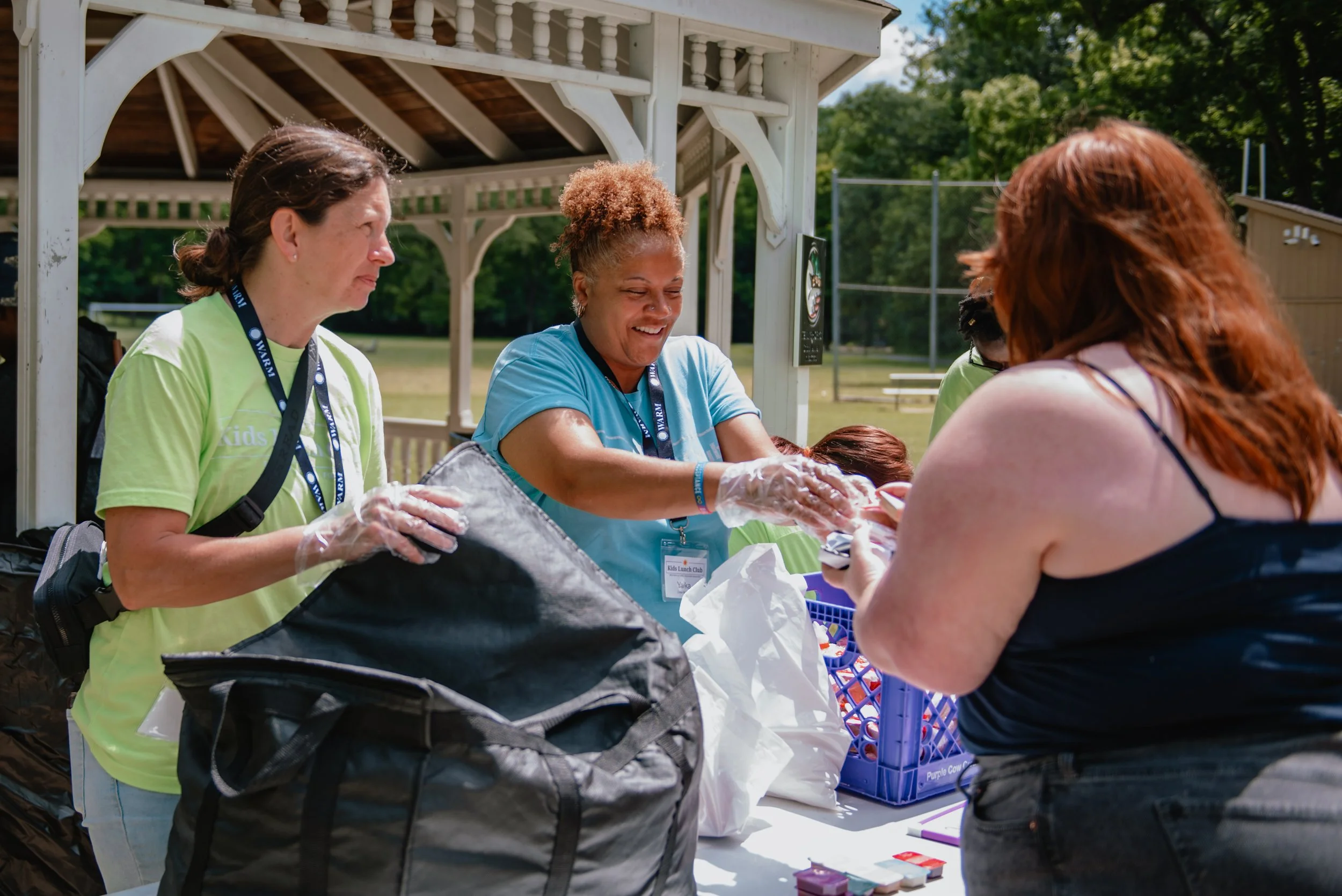
Pulling up to Ridgewood Park for my first Kids Lunch Club site visit, I thought I knew what to expect. I figured it would be a quick, feel-good trip: watch the crew hand out food, take a few photos, and head back to the office.
I experienced something much greater.
Familiar Faces
As kids began trickling in and forming a line, I started paying closer attention to the people handing out the food. The crew at this site have been working together for two to three years.
They know children by name. They know parents by face. They know stories. Before I even thought to ask about photos, a crew leader quietly said, "That family will totally let you take their picture," then nodding toward another group, "That family prefers their privacy." These were neighbors who show up, week after week, long before I arrived.
Kids Lunch Club is a summer meal program that provides free, hot lunches to any child who walks up to one of nine sites across the Westerville area. It exists because when the school year ends, so does access to free and reduced lunch for thousands of kids. At KLC, those children receive the same high-quality, nutritious meals they'd get at school—without paperwork, without barriers, without conditions.
Last summer alone, WARM served over 12,000 meals through the program.
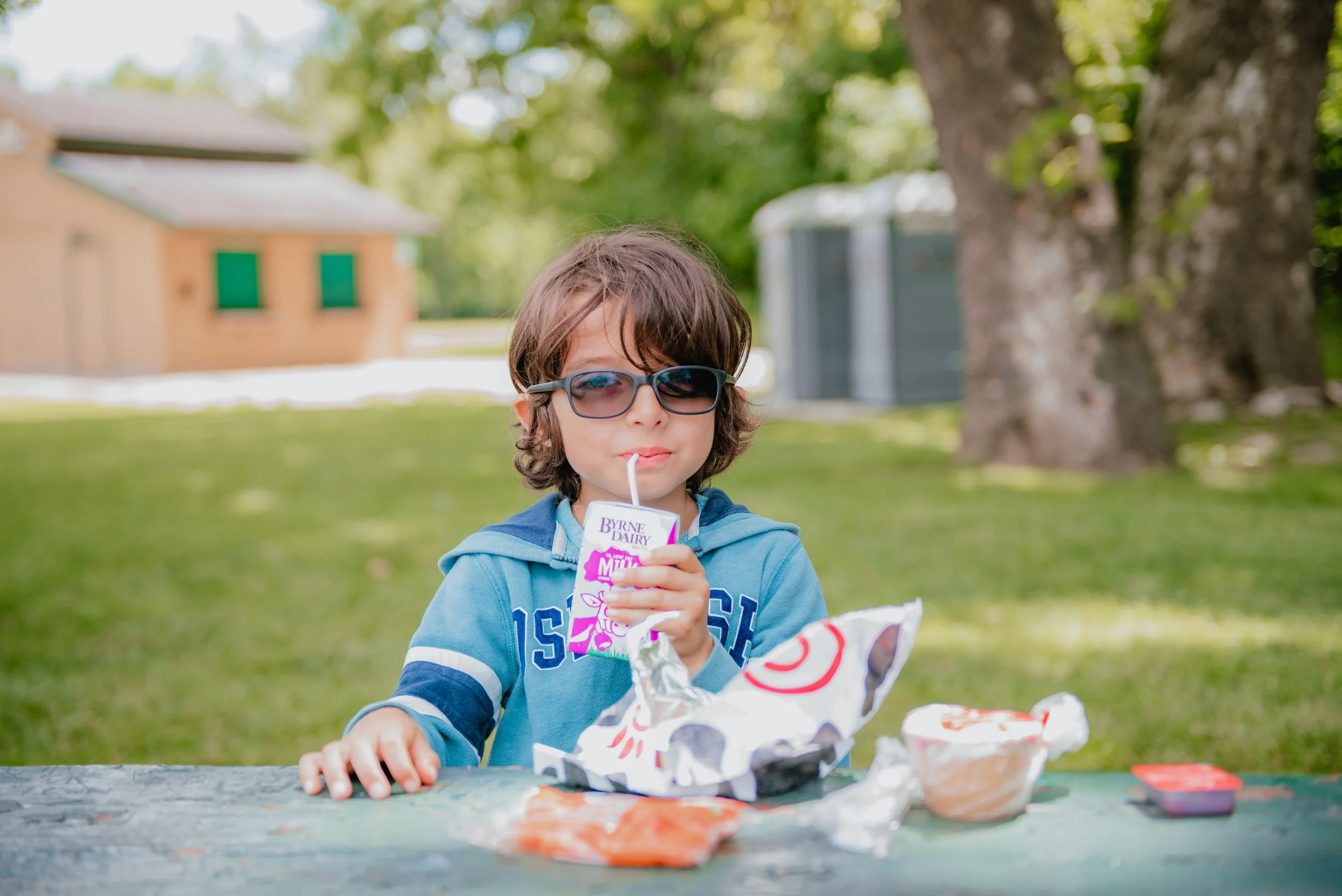
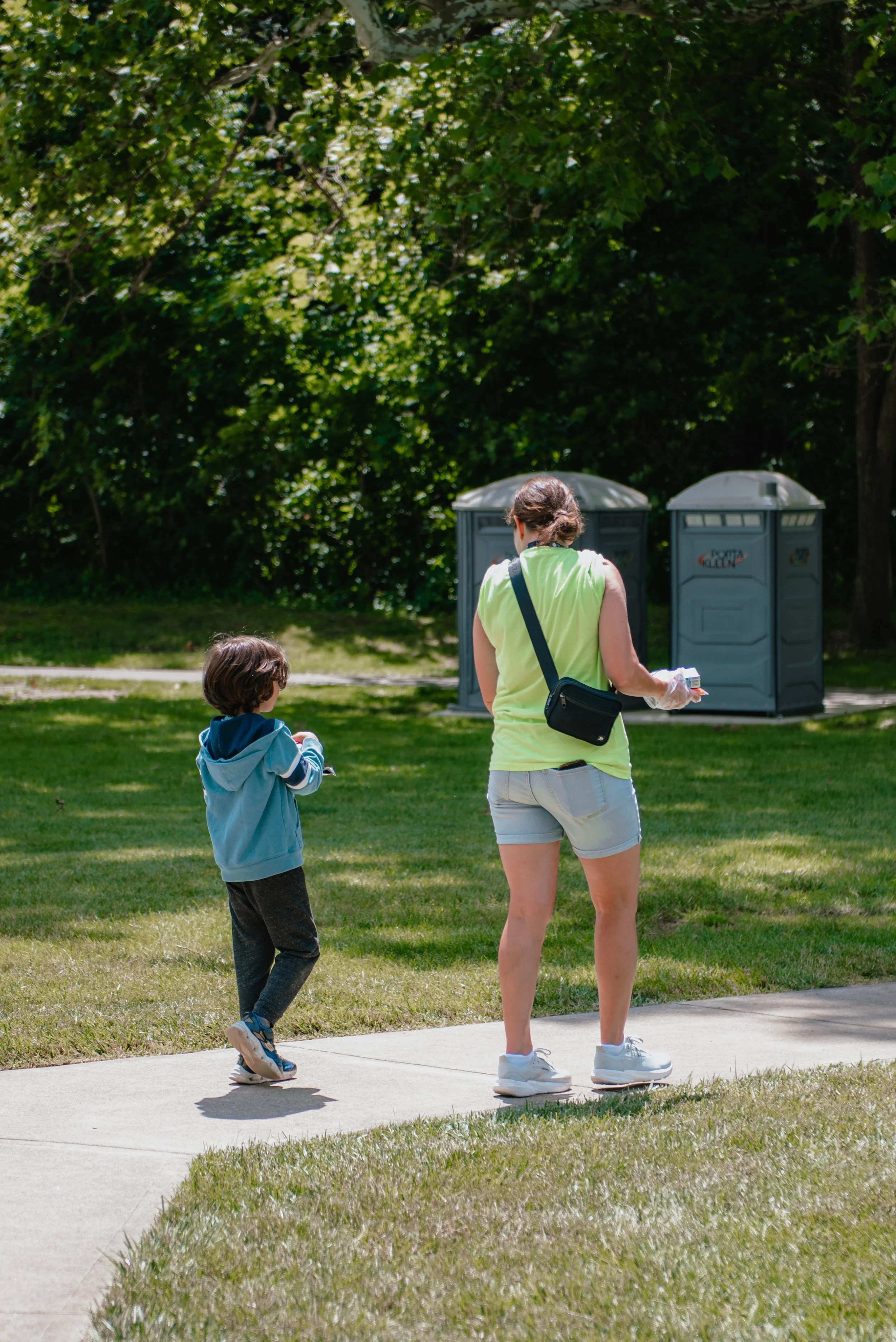
But the number that lingered with me was harder to count. It was the number of times a crew member remembered a child's name, asked a mom how her week was going, or walked kids and their food to picnic tables. At KLC, children receive the stability of familiar faces who show up every single week. They receive the dignity of being treated with genuine care in the middle of a hard season. And they receive a quiet but powerful message: their community sees them, and it will not let them go hungry.
The Invisible Neighborhood
A few months earlier, Big Walnut Schools contacted WARM about a neighborhood in urgent need—a neighborhood that, on paper, shouldn't exist. Tucked into a pocket of the area, this community houses over 100 children. Properties in the neighborhood sell for around $40,000. Just outside its boundaries, homes go for more than $1,000,000. Because of the level of wealth surrounding it, this neighborhood doesn't qualify for programs like Kids Lunch Club under the eligibility guidelines. By the numbers, the need is invisible. On the ground, it is anything but.
WARM operated a KLC site there in 2020, but changing eligibility requirements eventually made that impossible. When Executive Director Chad Maxeiner learned the need had returned, he didn't set it aside. He made a plan.
A Community Responds
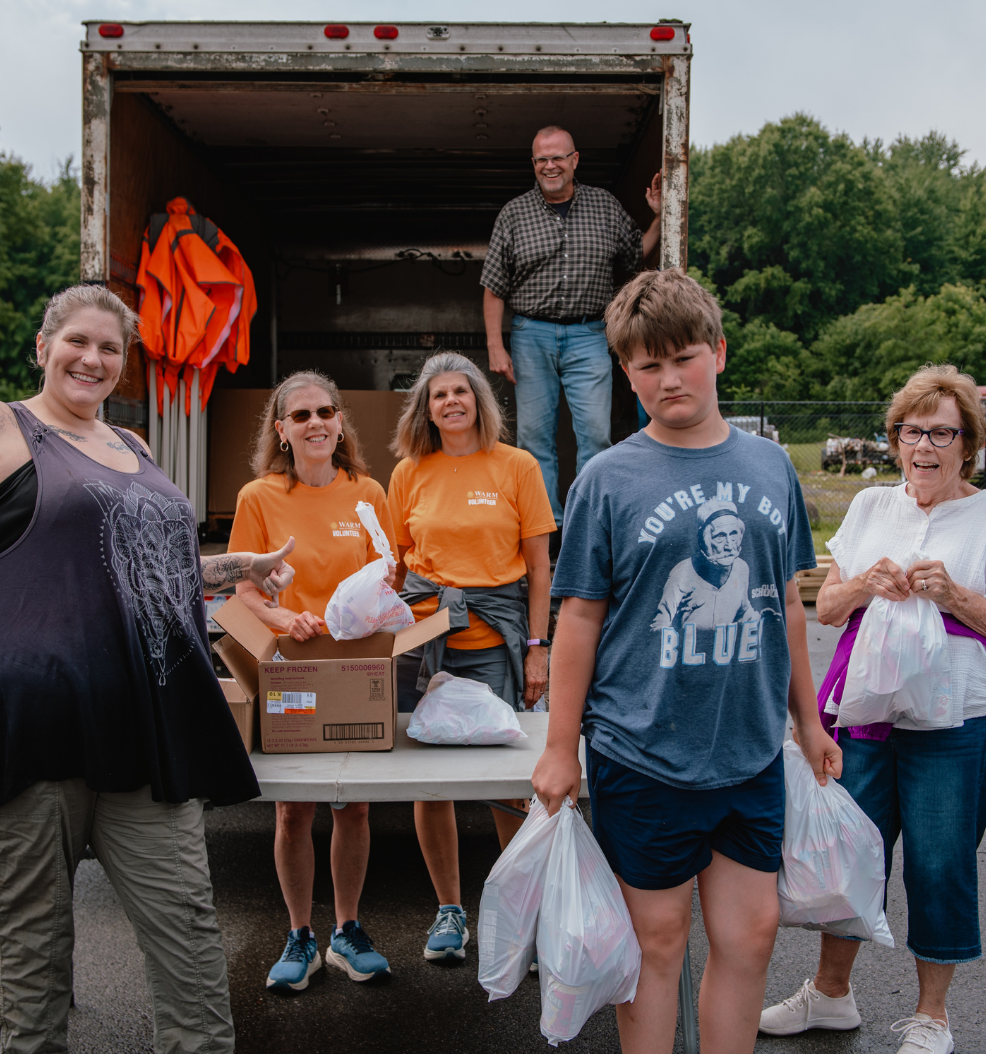
WARM developed a program specifically for this neighborhood—a weekly delivery of bags containing five lunches, dropped off every Monday throughout the summer. The program required up to $14,000 in funding outside our existing budget, so we did what WARM does: we turned to our community.
We brought the need to St. John Neumann Catholic Church in Sunbury. Their Good Samaritan Ministry didn't hesitate. They made a gift that covered the entire cost of the program. A neighborhood that had slipped through the cracks was no longer invisible.
Can I Pray?
I had the chance to visit that site too. There was nothing elaborate about it—just our truck, a folding table, and some bags of food. As we were wrapping up one afternoon, a mom and her son walked over. They were warm and easy, smiling and chatting with our volunteers. "How's your back doing?" one volunteer asked her. She lit up. She'd been feeling so much better, she said, and thanked them for asking.
She picked up her bags and started walking toward her car. Then she turned around.
"Can I pray?"
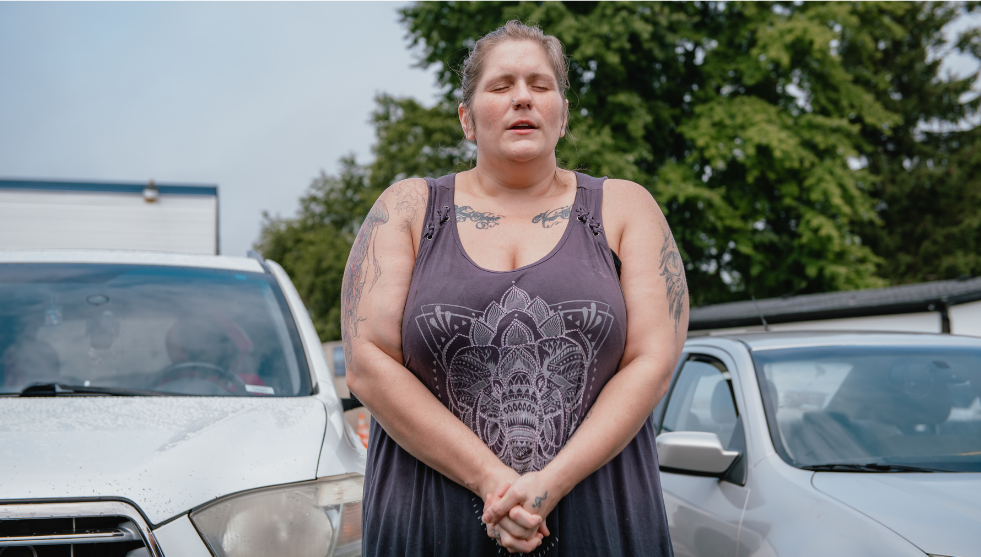
We gathered together right there, in a parking lot, beside a truck. She prayed a blessing over WARM and over everyone who had helped provide food for her family. Then she prayed for her neighbors—the families who hadn't arrived yet—that they would feel cared for, that they would find what they needed, that they would know they weren't alone.
She set her bags down to pray for people she had never met, in a neighborhood her own neighbors didn't know existed. For WARM, that moment said everything about why the work matters—and why showing up, again and again, is never just about the food.